Health Canada’s Natural and Non-Prescription Health Products Directorate (NNHPD) has launched a consultation on a proposed new monograph for Shilajit, a mineral-rich substance traditionally used in Ayurvedic medicine. The draft establishes proposed conditions for product licensing, including permitted health claims, dosage ranges, ingredient sourcing, purification, quality testing, and safety-related labelling.
The proposed monograph could provide a standardized regulatory pathway for eligible Shilajit products seeking Natural Product Number (NPN) authorization in Canada. Manufacturers, ingredient suppliers, and product licence applicants should review the proposed requirements, particularly those concerning ingredient identity, geographic origin, heavy metals, mycotoxins, and permitted claims.
Stakeholders have until January 15, 2027, to submit feedback to Health Canada. The monograph remains a draft and has not yet been finalized.
Health Canada regulates Natural Health Products (NHPs) under the Natural Health Products Regulations. Before an NHP can be legally sold in Canada, it generally must receive a product licence, identified by a Natural Product Number (NPN).
To support the licensing process, Health Canada’s NNHPD maintains a Compendium of Monographs. These monographs establish standardized conditions of use for specific medicinal ingredients and product categories, including acceptable claims, dosage ranges, routes of administration, and risk information.
Products that meet all applicable monograph requirements may be eligible for a streamlined compendial licensing pathway. Products that fall outside these conditions may require additional supporting evidence and a more extensive regulatory review.
The proposed Shilajit monograph represents a new addition to this framework. Rather than revising existing monograph requirements, Health Canada is consulting on a standardized set of conditions for products containing this ingredient.
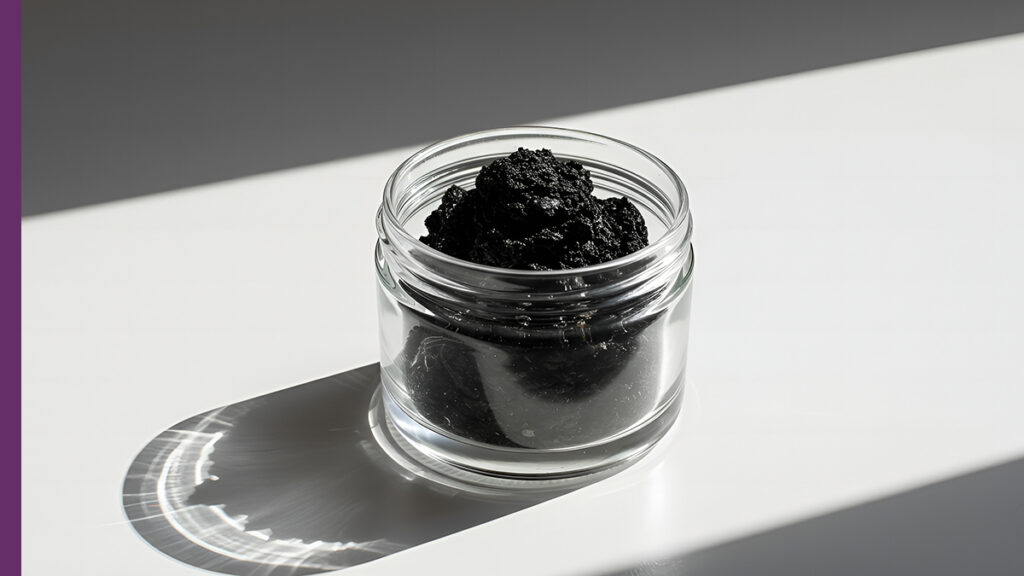
Shilajit is a naturally occurring, mineral-rich substance formed from decomposed plant and microbial matter in mountainous regions. It contains a complex mixture of organic and inorganic constituents, including fulvic acids, humic substances, minerals, and trace elements.
Traditionally associated with Ayurvedic medicine, Shilajit has been used as a rejuvenative tonic and for various health-related purposes. It is commonly sourced from mountainous regions of Eurasia, particularly the Himalayas.
The composition of Shilajit can vary considerably depending on its geographic origin, environmental conditions, and processing methods. This variability creates important considerations for manufacturers seeking to establish consistent ingredient identity, quality, and safety.
Health Canada’s proposed monograph addresses these considerations by establishing requirements for purified Shilajit and specifying the conditions under which certain health claims may be supported.
The draft monograph outlines requirements that manufacturers and product licence applicants would need to consider when developing or registering eligible Shilajit products.
Permitted Health Claims
Health Canada proposes to recognize several uses for Shilajit, including both non-traditional claims and claims based on traditional Ayurvedic medicine.
The proposed claims include:
The proposed claims are subject to the applicable conditions of use. Manufacturers would need to ensure that product formulations, dosage levels, and label statements align with the claims being made.
Dosage Requirements
The proposed monograph applies to adults aged 18 years and older and establishes different dosage conditions depending on the intended claim.
For antioxidant and fulvic acid claims, the draft permits up to 5,000 mg of Shilajit per day. For the specified traditional Ayurvedic uses, the proposed range is 125–5,000 mg per day.
The draft permits optional potency declarations for fulvic acids and/or humic acids. If fulvic acid is declared, the maximum daily amount is 1 g. The draft notes that higher fulvic acid concentrations than those commonly reported may be acceptable when the Shilajit comes from a source consistent with traditional Shilajit and is prepared using traditional methods. Manufacturers should assess whether their intended daily dosage and potency declarations meet the proposed conditions before relying on the monograph for product licensing.
Ingredient Sourcing and Purification
One of the most significant aspects of the proposed monograph concerns the identity and origin of Shilajit.
Health Canada proposes that manufacturers maintain information documenting the geographic source of the ingredient. The draft recognizes traditional sourcing from mountainous regions of Eurasia but does not currently consider material sourced from mountains outside Eurasia acceptable under the proposed monograph.
The draft also distinguishes Shilajit from other substances that may share similar characteristics, including lignite, peat, and highly purified fulvic or humic acid preparations.
Manufacturers would need to maintain information on purification methods. Traditional processing generally involves repeated water extraction and filtration to obtain purified material.
These requirements could be particularly important for ingredient suppliers and manufacturers relying on non-traditional sources or proprietary extraction processes.
Quality and Safety Requirements
The proposed monograph places considerable emphasis on ingredient quality, reflecting the variability of naturally sourced Shilajit and the potential presence of undesirable contaminants.
The draft identifies several requirements, including:
The draft proposes contraindications for people with kidney disorders, gout, or susceptibility to kidney stones, and for those who are pregnant, breastfeeding, or trying to conceive. It also proposes warnings related to blood sugar regulation, hormone-related conditions or medications, and benign prostate hypertrophy or prostate cancer. Products providing 700 mg or more of Shilajit per day would carry a warning for people with a history of non-melanoma skin cancer, unless the applicant can demonstrate that the product does not exceed the applicable selenium limit. The draft also directs adult women to stop use and consult a health care practitioner if abnormal hair growth occurs. Manufacturers should carefully review these requirements to determine whether their existing raw material specifications, supplier documentation, testing programs, and proposed labels would meet the conditions of the monograph.
The proposed Shilajit monograph could provide greater regulatory clarity for companies developing, manufacturing, importing, or marketing Shilajit products in Canada.
A finalized monograph may establish a more predictable licensing pathway for products that conform to its permitted ingredients, claims, dosage ranges, and safety requirements. This could reduce uncertainty for manufacturers seeking NPN authorization and help standardize the information expected in product licence applications.
However, the proposed quality and sourcing provisions may create additional considerations for companies whose ingredients do not align with the draft specifications.
Ingredient suppliers may need to provide more comprehensive documentation concerning geographic origin, purification methods, and contaminant testing. Manufacturers may also need to review existing formulations, potency declarations, and product claims against the proposed conditions.
Companies developing Shilajit products should not assume that the publication of a new monograph automatically authorizes all forms of the ingredient or all marketed health claims. Eligibility would depend on compliance with the finalized requirements and the applicable product licensing process.
Health Canada is inviting manufacturers, ingredient suppliers, product licence holders, industry associations, and other interested stakeholders to review the draft Shilajit monograph and submit comments.
Consultation deadline: January 15, 2027
Email: nnhpd.consultation-dpsnso@hc-sc.gc.ca
Stakeholders may wish to focus their submissions on the proposed ingredient specifications, acceptable sourcing regions, purification requirements, dosage ranges, supported claims, and practical implications for product development and licensing.
Companies with scientific evidence supporting alternative specifications or conditions of use may also consider presenting that information during the consultation.
The requirements remain proposals until Health Canada finalizes the monograph.
Health Canada’s proposed Shilajit monograph is an important development for manufacturers and ingredient suppliers interested in the Canadian NHP market.
By establishing standardized conditions for ingredient identity, permitted claims, dosage, quality, and safety, the proposed monograph could provide greater clarity for product development and market authorization.
At the same time, the proposed sourcing and quality requirements underscore the importance of verifying ingredient specifications and maintaining appropriate supporting documentation.
With the consultation open until January 15, 2027, industry stakeholders have an opportunity to evaluate the draft and provide evidence-based feedback before the requirements are finalized.
Navigating the Canadian regulatory requirements for emerging Natural Health Product ingredients requires a clear understanding of product classification, acceptable health claims, ingredient specifications, and licensing pathways.
With more than 20 years of experience supporting the Natural Health Products industry, dicentra’s regulatory affairs team helps manufacturers, ingredient suppliers, and brand owners develop practical strategies for obtaining and maintaining market authorization in Canada.
Our Natural Health Product regulatory services include:
dicentra can also assist companies in reviewing the proposed monograph, identifying regulatory concerns, and preparing technical feedback for Health Canada’s consultation.
Contact dicentra today to discuss how the proposed Shilajit monograph may affect your product development, NPN registration, or Canadian market-entry strategy.