At a Glance Obtaining a Natural Product Number (NPN) is an important milestone for companies marketing Natural Health Products (NHPs) in Canada, but regulatory compliance does not end when a […] Read More >>
At a Glance Novel Food Notifications (NFNs) are required for foods and food ingredients classified as novel under Division 28 of Canada’s Food and Drug Regulations. Manufacturers and importers must […] Read More >>
At a Glance Health Canada’s Natural and Non-Prescription Health Products Directorate (NNHPD) has launched a consultation on a proposed new monograph for Shilajit, a mineral-rich substance traditionally used in Ayurvedic […] Read More >>
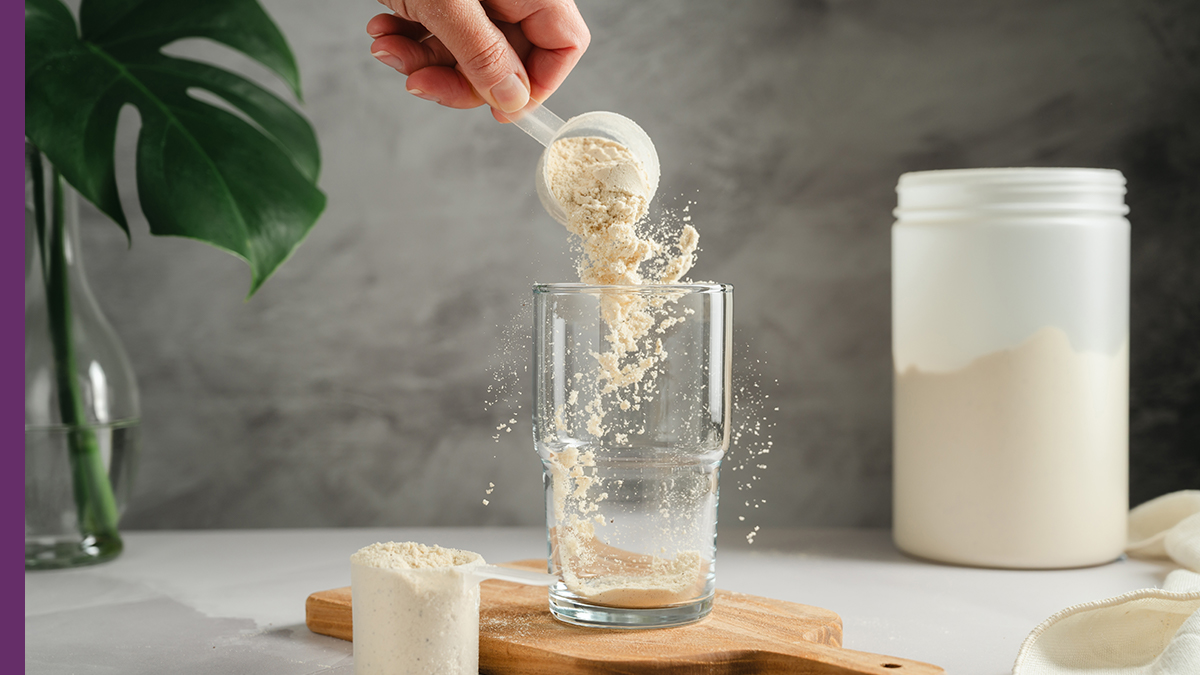
At a Glance Health Canada’s Natural and Non-Prescription Health Products Directorate (NNHPD) is consulting on proposed revisions to its existing Workout Supplements monograph. Rather than introducing an entirely new framework, […] Read More >>
At a Glance Natural Health Product (NHP) companies in Canada must maintain appropriate quality assurance oversight, but they are not necessarily required to employ a full-time Quality Assurance Person (QAP). […] Read More >>
At a Glance Class III Natural Health Product (NHP) applications in Canada require a more comprehensive regulatory assessment than Class I or Class II submissions. These applications generally involve products […] Read More >>
At a Glance Receiving an Information Request Notice (IRN) from Health Canada does not automatically mean that a Natural Health Product (NHP) application has been rejected. An IRN identifies additional […] Read More >>
At a Glance On October 27, 2026, Health Canada published its final Guidance for Clinical Trials with Decentralized Elements, providing regulatory direction for sponsors, investigators, and Contract Research Organizations (CROs) […] Read More >>
At a Glance When a Natural Health Product (NHP) batch fails quality testing, manufacturers and importers must investigate the result, assess its potential impact on product safety and quality, and […] Read More >>
At a Glance A Quality Assurance Person (QAP) is responsible for ensuring that Natural Health Products (NHPs) meet applicable quality requirements before they are made available for sale in Canada. […] Read More >>
At a Glance Companies seeking to import Natural Health Products (NHPs) into Canada do not necessarily need to obtain their own Site Licence. Under Canada’s Natural Health Products Regulations, commercial […] Read More >>
At a Glance Before Bulletin No. 13, Health Canada expected product licence holders to align labels affected by monograph revisions with the latest version of the monograph within three years […] Read More >>
Abstract Bringing a probiotic product to market in Canada begins with determining how the finished product will be classified. Depending on its composition, dosage form, intended use, claims and overall […] Read More >>
Abstract Good Manufacturing Practices (GMPs) establish the controls necessary to help ensure Natural Health Products (NHPs) are consistently manufactured, packaged, labelled, imported, distributed and stored in a manner that supports […] Read More >>
At a Glance A GRAS dossier is often viewed as a regulatory submission prepared solely to support commercialization in the United States. In reality, a well-developed GRAS dossier can become […] Read More >>
At a Glance Health Canada’s Natural and Non-prescription Health Products Directorate (NNHPD) has updated its List of Interchangeable Terms to provide greater flexibility when labelling Natural Health Products (NHPs) and […] Read More >>
At a Glance Live Biotherapeutic Products (LBPs) are transforming therapeutic development, with clinical programs expanding across gastrointestinal disorders, metabolic disorders, immunology, oncology, and rare conditions. Unlike conventional pharmaceutical Read More >>
At a Glance Vanessa’s Law, formally known as the Protecting Canadians from Unsafe Drugs Act, strengthened Health Canada’s authority to identify and respond to safety risks associated with therapeutic products […] Read More >>
Abstract Probiotics and postbiotics are both increasingly used in microbiome-focused health products, but the regulatory and clinical considerations surrounding them can differ substantially. Probiotics depend on live microorganisms, making strain [&hellip Read More >>
At a Glance Health Canada has released a new guidance document, How to apply for market authorization for a non-prescription drug in Canada, providing industry with its first comprehensive roadmap […] Read More >>