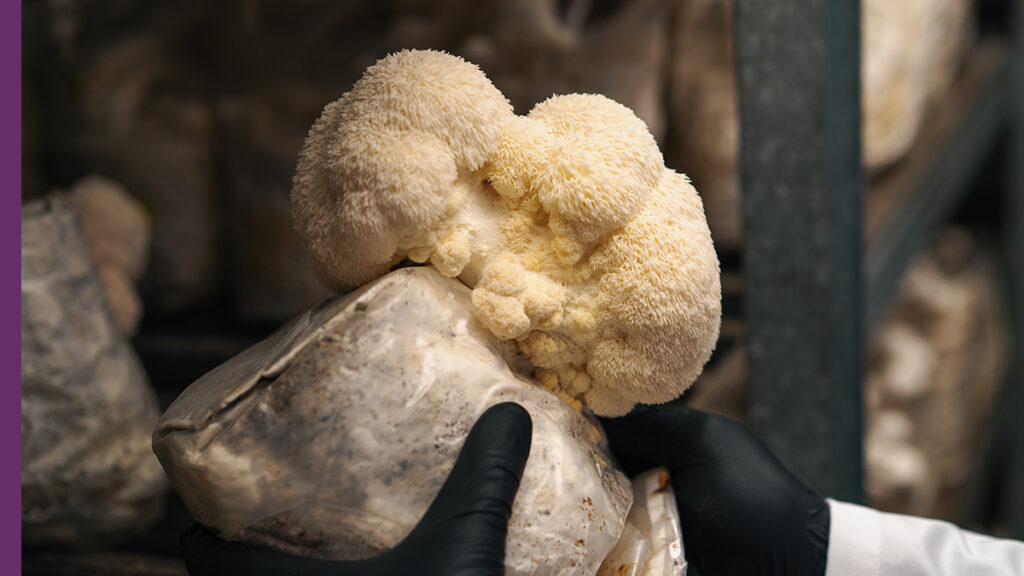
Functional mushrooms are now common in coffees, drink mixes, gummies, bars, and functional beverages. Ingredients like lion’s mane, reishi, cordyceps, chaga, and turkey tail continue to gain traction across cognitive, immune, stress, and performance-focused product lines.
But if you want to add a functional mushroom ingredient to a conventional food or beverage in the United States, you need a defensible safety position. In many cases, that means establishing that the ingredient is Generally Recognized as Safe (GRAS) for its intended conditions of use.
So, are all functional mushrooms considered GRAS? The short answer: they can be, but GRAS status is ingredient-specific and depends on identity, manufacturing, dose, and use in specific food categories.
The GRAS concept in brief
Under the Federal Food, Drug, and Cosmetic Act, substances intentionally added to food are considered food additives unless exempt. A substance is exempt if it is generally recognized, among qualified experts, as safe under the conditions of its intended use.
GRAS status may be established through:
- Common use in food prior to 1958, or
- Scientific procedures demonstrating safety (the most common pathway for modern functional ingredients)
For many mushroom ingredients (especially extracts, concentrated fractions, or novel preparations), the scientific procedures pathway is typically the most relevant.
Food vs. supplements: why the pathway changes
Functional mushrooms are often sold as dietary supplements, where the regulatory framework differs from conventional foods.
- Dietary supplements generally do not require FDA “pre-approval,” but companies must ensure safety, follow cGMPs, and avoid disease claims. More novel ingredients may be considered adulterated by the FDA without a New Dietary Ingredient (NDI) notification , depending on their marketing history.
- Conventional foods and beverages often require an alternate safety position to dietary supplements, typically a GRAS conclusion (self-affirmed or FDA-notified), especially when the ingredient is new, concentrated, or used at functional doses.
It’s possible that a mushroom species can be legally sold as a supplement without being automatically “cleared” for conventional food use, such as ready-to-drink beverages and/or snack foods.
Are functional mushrooms inherently GRAS?
Some mushrooms have a long history of use as foods, which can support safety, especially if intended to be used as an identical preparation as historically documented. However, functional mushroom products in commerce often go beyond traditional use.
GRAS eligibility commonly considers:
- Species and part used (fruiting body vs. mycelium vs. conk/sclerotia)
- Manufacturing process (type of extraction solvents and extraction ratio, use of other raw materials and processing aids, extent of chemical alteration of the source material etc.)
- Composition and standardization (e.g., β-glucans, polysaccharides, triterpenes; the levels of key constituents in relation to typical background dietary intakes and established safe levels)
- Use level and food categories (mg/serving in relation to cumulative mg/day across multiple food categories)
- Target population (general population Vs. sensitive subgroups)
As processing and concentration increase, FDA and expert reviewers typically expect more detailed identity and safety support.
Precedent: yes—mushroom-derived ingredients have reached GRAS
Companies often ask whether there is FDA precedent for mushroom-derived ingredients in GRAS notices. The answer is yes.
Examples include FDA GRAS responses for:
- β-glucans derived from reishi (Ganoderma lucidum) mycelium (GRN 413), with intended use across conventional food categories.
- White button mushroom (Agaricus bisporus)–derived ingredients (GRN 997) evaluated via GRAS notice pathways (including updated exposure modeling when intended uses change).
These examples demonstrate the core point: mushroom ingredients can be GRAS when supported by appropriate scientific evidence under the intended conditions of use.
How to bring a functional mushroom ingredient to market under GRAS
- Regulatory pathway assessment
Determine whether a regulatory notification is required. If so, whether the best fit is self-affirmed GRAS, FDA-notified GRAS, or (rarely) another pathway, such as a food additive petition. FDA GRAS notices can strengthen commercial acceptance for novel or high-visibility ingredients.
- Ingredient characterization (critical for mushrooms)
A GRAS position requires a clear statement of identity and consistency. FDA typically expects: species identification, part used, detailed manufacturing controls, compositional data, specifications (microbiology, heavy metals, residual solvents where relevant), and batch-to-batch consistency.
- Safety assessment
A defensible GRAS conclusion is supported by a structured safety narrative, often including literature review, toxicology rationale (with supporting studies as warranted, on a case-by-case basis), allergenicity considerations, and a margin-of-safety analysis tied to exposure.
- Exposure modeling
Estimated Daily Intake (EDI) must account for cumulative exposure across all intended food categories. GRAS submissions commonly use dietary intake datasets to show safety at realistic consumption level. Amended assessments can be provided if intended uses expand in the future.
Expert panel and dossier
A complete dossier compiles identity, manufacturing, exposure, and safety data into a structured document reviewed by qualified experts (and submitted to FDA, if notified).
Bottom line
Functional mushrooms can be recognized as GRAS for food use in the United States, but GRAS status is not automatic. It must be established for the specific mushroom-derived ingredient (and preparation) and its intended food uses and use levels.
If your company is developing a functional mushroom powder, extract, or standardized fraction for use in foods or beverages, dicentra’s regulatory and toxicology team can help assess the right pathway, build a defensible GRAS dossier, coordinate expert review, and manage FDA engagement. Contact us today to learn more.