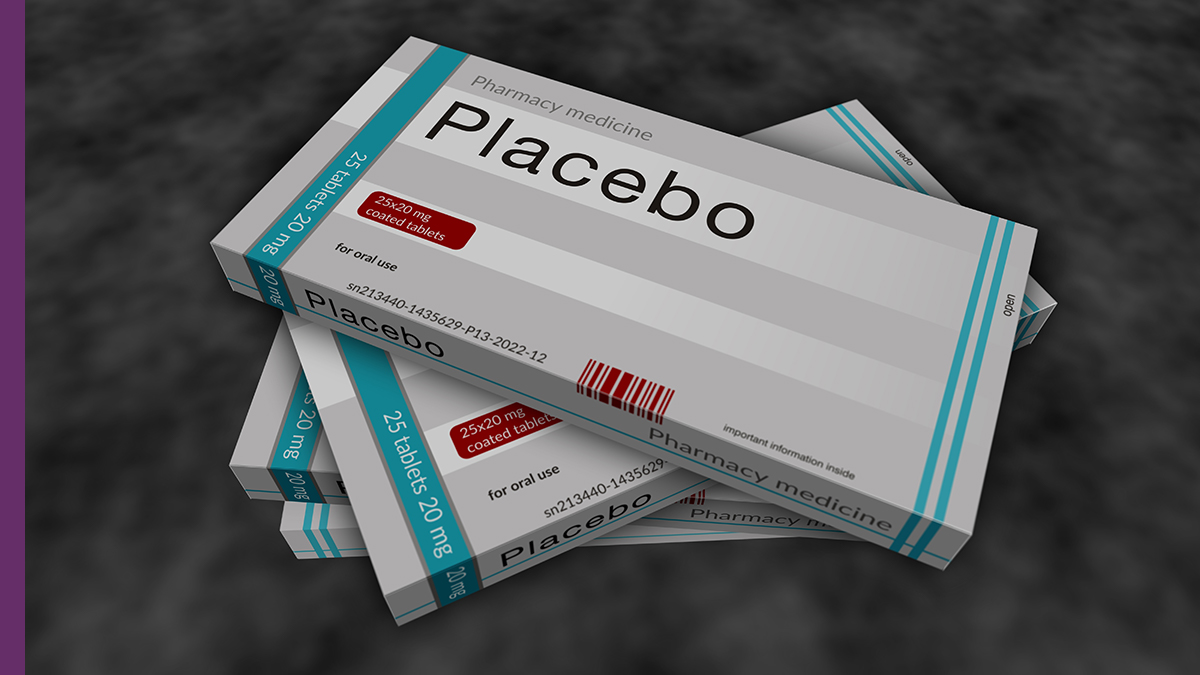
Blinding is a cornerstone of clinical trial design, but in probiotic and live biotherapeutic product (LBP) studies, it is uniquely fragile. Unlike conventional pharmaceuticals, probiotics and LBPs are living systems. […] Read More >>
Not every probiotic product requires a clinical trial. Many probiotic strains already have a body of published evidence, and regulatory frameworks for dietary supplements and foods do not always mandate […] Read More >>
Probiotic trials rarely fail for a single reason. More often, problems emerge from a series of early design decisions that were never fully aligned: the strain chosen doesn’t match the […] Read More >>
Artificial intelligence is no longer experimental in regulated industries. It is being used to monitor claims, scan clinical literature, validate labels, screen ingredient risks, predict quality trends, and surface early […] Read More >>
Probiotic trials are frequently underpowered—not because sponsors ignore statistics, but because they underestimate how different probiotics are from conventional nutraceuticals. Unlike single-molecule ingredients, probiotics are living systems. Their ef Read More >>
Probiotic trials don’t fail only because a strain “doesn’t work.” Many fail because the endpoint doesn’t match the claim, the population, or the biology of a living product—and the study […] Read More >>