Structure/function claims are statements that describe how a dietary supplement or one of its ingredients affects the normal structure or function of the human body. These claims allow manufacturers to communicate physiological benefits, such as supporting immune function, maintaining bone health or promoting normal digestive function, without representing the product as a treatment for a disease.
Under Section 403(r)(6) of the Federal Food, Drug, and Cosmetic Act (FD&C Act), dietary supplement manufacturers may use qualifying structure/function claims without obtaining premarket approval from the U.S. Food and Drug Administration (FDA). However, manufacturers must possess substantiation demonstrating that their statements are truthful and not misleading, include the required FDA disclaimer and notify the FDA no later than 30 days after first marketing the product bearing the claim.
The distinction between a permissible structure/function claim and a disease claim depends on the meaning conveyed to consumers. A statement that a product “supports normal joint function” may qualify as a structure/function claim, while a statement that it “relieves arthritis pain” implies treatment of a disease. The FDA evaluates both express and implied claims, making the wording, context and presentation of product benefits important considerations.
For dietary supplement manufacturers, brand owners and distributors, structure/function claim compliance requires a coordinated assessment of product formulation, scientific evidence, labeling and marketing materials. Understanding the applicable requirements helps companies communicate legitimate product benefits while reducing the risk of misleading claims, regulatory objections and potential product misclassification.
A structure/function claim describes the role of a nutrient or dietary ingredient in affecting the normal structure or function of the human body. For dietary supplements, these statements may address physiological processes, the maintenance of normal bodily functions or the mechanisms through which an ingredient supports those functions. Section 403(r)(6) of the FD&C Act establishes the statutory framework for these claims, while 21 CFR 101.93 provides additional requirements concerning notification, disclaimers and the distinction between structure/function and disease claims.
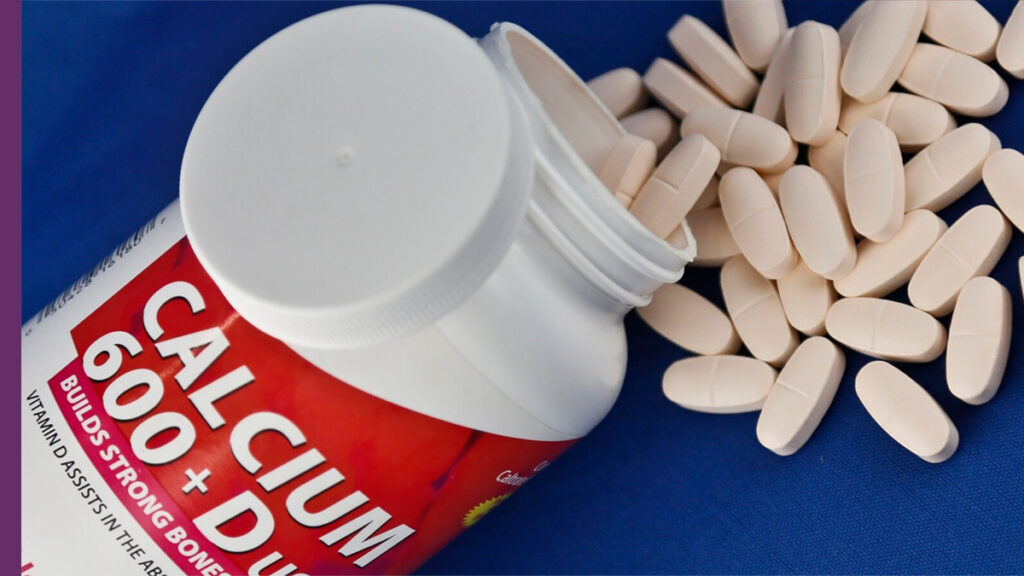
For example, calcium contributes to the development and maintenance of bones, while certain dietary fibers support normal bowel function. A dietary supplement containing these ingredients may communicate an appropriately substantiated physiological benefit through statements such as “supports bone health” or “helps maintain regularity.” These statements describe normal bodily functions rather than asserting that the product treats an underlying medical condition.
Structure/function claims are not limited to essential nutrients or their established nutritional roles. Dietary supplements may contain botanical ingredients, probiotics and other dietary ingredients intended to support normal physiological functions through mechanisms that are not necessarily associated with conventional nutritional activity. The permissibility of a particular claim depends on whether the statement accurately describes a structure/function effect and whether the manufacturer possesses sufficient evidence to substantiate the benefit being communicated.
The FDA also recognizes two related categories of statements under Section 403(r)(6): claims concerning general well-being resulting from consumption of a dietary ingredient and claims describing benefits associated with classical nutrient deficiency diseases, provided the latter disclose the prevalence of the deficiency disease in the United States. These categories are subject to the same general statutory framework, although their content and substantiation considerations may differ from those of conventional structure/function claims.
Manufacturers should therefore evaluate the substance of a proposed statement rather than relying exclusively on familiar phrases such as “supports,” “promotes” or “maintains.” Although these terms commonly appear in structure/function claims, their inclusion does not automatically establish regulatory compliance when the overall statement implies disease prevention or treatment.
Structure/function claims are used across numerous dietary supplement categories, including vitamins, minerals, botanical products, probiotics and other specialty ingredients. The appropriate wording depends on the physiological function being described, the characteristics of the ingredient and the scientific evidence available to support the claim.
The following examples illustrate statements that may qualify as structure/function claims when used in an appropriate context and supported by adequate substantiation.
| Product or ingredient category | Example of a structure/function claim | Physiological function described |
| Calcium and vitamin D supplements | Supports healthy bones and teeth | Maintenance of normal skeletal structure |
| Probiotic supplements | Supports digestive health | Maintenance of normal digestive function |
| Fiber supplements | Helps maintain bowel regularity | Support of normal gastrointestinal function |
| Immune-support supplements | Supports normal immune function | Maintenance of normal immune system activity |
| Magnesium supplements | Supports normal muscle function | Contribution to normal muscular processes |
| Joint-health supplements | Helps maintain joint flexibility and mobility | Support of normal joint function |
| Sleep-support supplements | Supports restful sleep | Support of normal sleep processes |
| Antioxidant supplements | Helps protect cells against oxidative stress | Support of normal cellular protection mechanisms |
These examples illustrate claim categories rather than providing preapproved wording for any particular product. A statement that is generally recognizable as a structure/function claim may still be misleading if the product does not contain an appropriate ingredient, the dosage is inconsistent with the supporting evidence or the claim implies a benefit that has not been scientifically established.
For example, a manufacturer marketing a probiotic supplement with the claim “supports digestive health” should consider whether the evidence relates to the specific microorganism strains included in the formulation. Evidence demonstrating a benefit for one probiotic strain may not establish the same benefit for a different strain, even when both belong to the same species. The manufacturer must also consider the quantity of viable organisms provided under the product’s labeled conditions of use.
Similarly, a botanical supplement promoted as supporting cognitive function requires substantiation appropriate to the particular botanical preparation, including relevant extraction methods, constituent profiles and administered quantities. Scientific findings associated with one standardized extract cannot automatically be applied to all products containing the same plant species.
The examples also demonstrate why claims should be evaluated in their complete labeling and marketing context. A statement concerning normal joint mobility may be appropriate in one presentation but convey an implied arthritis treatment claim when accompanied by references to inflammatory disease, patient testimonials or imagery associated with a diagnosed medical condition.
The principal regulatory distinction between a structure/function claim and a disease claim is whether the statement describes normal physiological activity or represents the product as having an effect on a disease or health-related condition. Under 21 CFR 101.93(g), a disease claim includes a statement that a product diagnoses, mitigates, treats, cures or prevents a disease, either explicitly or by implication.
Disease claims are particularly significant for dietary supplement manufacturers because a product marketed with claims to treat or prevent disease may be considered a drug under the FD&C Act. Such a classification can introduce regulatory requirements that differ substantially from those applicable to dietary supplements, including drug approval and labeling obligations.
The following comparisons demonstrate how the underlying meaning of a statement can affect its regulatory classification.
| Potential structure/function claim | Disease-related claim | Regulatory distinction |
| Supports normal immune function | Prevents influenza | Normal immune activity versus prevention of a specific infectious disease |
| Helps maintain healthy joints | Relieves arthritis symptoms | Maintenance of joint function versus treatment of a diagnosed condition |
| Supports normal blood glucose metabolism | Treats diabetes | Support of a normal metabolic process versus treatment of a metabolic disease |
| Promotes digestive regularity | Treats irritable bowel syndrome | Normal digestive function versus treatment of a gastrointestinal disorder |
| Supports cardiovascular health | Prevents heart attacks | General physiological support versus prevention of a cardiovascular event |
| Supports restful sleep | Treats chronic insomnia | Support of normal sleep processes versus treatment of a medical condition |
The distinction is not determined by terminology alone. For example, a product described as supporting normal blood glucose metabolism may still communicate a disease claim if its surrounding labeling specifically targets individuals with diabetes or implies that the supplement can replace prescribed treatment. The FDA considers the overall impression created by product names, statements, graphics and other labeling information when assessing whether a disease-related benefit is being represented.
The FDA’s regulations also address claims involving characteristic signs or symptoms of disease, references to disease-related changes in the body and statements that suggest a product may substitute for a therapy used to treat disease. Manufacturers must therefore examine how consumers are likely to interpret the complete product presentation rather than evaluating individual phrases in isolation.
For companies developing new dietary supplement products, this assessment should occur before finalizing labeling and promotional materials. A formulation intended to support a normal physiological function may be marketed as a dietary supplement, but disease-related positioning can alter the product’s regulatory status regardless of the manufacturer’s original commercial intentions.
The FDA regulates dietary supplement structure/function claims through the statutory requirements of Section 403(r)(6) and the implementing provisions of 21 CFR 101.93. These requirements permit manufacturers to communicate certain physiological benefits without submitting the claims for FDA premarket approval, while establishing obligations intended to prevent unsupported or misleading product representations.
A manufacturer intending to use a qualifying structure/function claim must satisfy several related requirements.
| Regulatory requirement | Manufacturer obligation | Regulatory basis |
| Truthful and non-misleading claims | Possess substantiation supporting the accuracy of the statement | FD&C Act § 403(r)(6) |
| Appropriate claim classification | Ensure the statement does not represent the product as diagnosing, mitigating, treating, curing or preventing disease | 21 CFR 101.93(g) |
| FDA disclaimer | Include the prescribed disclaimer in accordance with applicable presentation requirements | 21 CFR 101.93(d) |
| FDA notification | Notify the FDA no later than 30 days after first marketing the dietary supplement bearing the claim | 21 CFR 101.93(a)–(c) |
These requirements operate together. A scientifically substantiated statement may still be non-compliant if it constitutes a disease claim or omits the required disclaimer. Conversely, submitting the required notification and displaying the disclaimer does not compensate for an absence of adequate scientific evidence.
The manufacturer or other responsible party should establish a documented review process that addresses each requirement before the product enters the U.S. market. This process may involve regulatory affairs personnel, scientific reviewers, product development teams and marketing personnel, particularly when proposed claims are being incorporated into packaging, websites and other consumer-facing materials.
Under 21 CFR 101.93(a), a manufacturer, packer or distributor whose name appears on the dietary supplement label must notify the FDA no later than 30 days after first marketing a product bearing a statement covered by Section 403(r)(6).
The notification must identify the responsible firm, the dietary supplement and the text of the statement being made. The submission must also contain the required certification that the notifier possesses substantiation demonstrating that the statement is truthful and not misleading, signed by an authorized individual.
For example, a company introducing a magnesium supplement with a claim concerning normal muscle function should ensure that its scientific substantiation and labeling review are completed before marketing begins. Once the product is first marketed with the qualifying claim, the responsible firm must submit the notification within the prescribed 30-day period.
The FDA provides information about the notification process through its guidance on Notifications for Structure/Function and Related Claims in Dietary Supplement Labeling. Electronic submissions may be made through the FDA’s Centralized Online Submission Module (COSM)..
The notification deadline should not be confused with a premarket waiting period. The law does not generally require manufacturers to wait 30 days for FDA authorization before marketing a dietary supplement bearing an otherwise compliant structure/function claim.
Structure/function claims made for dietary supplements under Section 403(r)(6) do not require FDA premarket approval. Instead, the regulatory framework places responsibility on manufacturers to ensure that claims comply with applicable requirements and that adequate substantiation exists before the claims are used.
The distinction between notification and approval is important because FDA receipt of a notification does not constitute an endorsement of the claim or a determination that the supporting scientific evidence is sufficient. The FDA may acknowledge receipt of a notification or communicate concerns about a submitted statement, but the absence of an objection should not be interpreted as confirmation of compliance.
For example, a company may submit a timely notification for a claim that a botanical supplement “supports mental focus.” If the manufacturer relies on studies involving a different extract, an unsupported dosage or an unrelated study population, the scientific basis for the claim may remain inadequate despite the notification having been submitted.
Manufacturers should therefore maintain a complete substantiation file independently of the FDA notification process. This file should document the evidence reviewed, the rationale for the proposed wording and the relationship between the scientific findings and the finished product being marketed.
Dietary supplements bearing qualifying structure/function claims must display the disclaimer prescribed under Section 403(r)(6) and 21 CFR 101.93(d). The disclaimer informs consumers that the FDA has not evaluated the statement and that the product is not intended for disease-related purposes.
The required wording is:
“This statement has not been evaluated by the Food and Drug Administration. This product is not intended to diagnose, treat, cure, or prevent any disease.”
The regulation establishes requirements concerning the disclaimer’s presentation, including its relationship to the claim, placement, typography and use of a box. Manufacturers must review these requirements when developing the final label rather than treating the disclaimer as optional explanatory text that can be positioned wherever packaging space is available.
For example, a dietary supplement marketed with the statement “supports healthy digestion” must include the disclaimer in a manner consistent with the applicable labeling provisions. Where multiple qualifying statements appear on the same label, the manufacturer should assess the requirements governing how the disclaimer is associated with those statements.
The disclaimer does not authorize disease claims or provide protection against otherwise misleading labeling. A supplement that claims to treat arthritis remains subject to the regulatory consequences of that disease representation even if the required structure/function disclaimer appears elsewhere on its packaging.
Section 403(r)(6) requires dietary supplement manufacturers to possess substantiation demonstrating that their structure/function claims are truthful and not misleading. Although the statute does not prescribe a fixed number of clinical studies or a single universally applicable research design, manufacturers must be able to demonstrate that the available scientific evidence adequately supports the benefits communicated to consumers.
The FDA discusses its approach in the guidance document Substantiation for Dietary Supplement Claims Made Under Section 403(r)(6) of the Federal Food, Drug, and Cosmetic Act. The guidance explains that the assessment of substantiation should consider the quality, relevance and totality of the scientific evidence, including whether the research supports the specific claim being made.
Manufacturers should evaluate whether the evidence is appropriate for the ingredient, formulation, dosage, route of administration and intended consumer population. They should also examine study design, methodological limitations, consistency of findings and the extent to which the evidence supports the magnitude and certainty of the claimed benefit.
Human clinical studies are often particularly relevant when evaluating claims about physiological benefits in consumers. Randomized, controlled trials may provide strong evidence for certain claims, but their usefulness depends on the quality of the research and the relationship between the studied intervention and the marketed product.
For example, a manufacturer proposing a claim that a botanical supplement “supports memory and cognitive performance” may identify clinical trials reporting improvements in selected cognitive outcomes. Before relying on those studies, the manufacturer should determine whether the botanical extract, administered dosage, treatment duration and study population are sufficiently comparable to the finished product and its intended use.
A study involving a standardized extract administered at 500 mg per day may not provide adequate support for a supplement containing 50 mg of an unstandardized botanical powder. Similarly, findings obtained in a population with a diagnosed medical condition may not necessarily substantiate a claim directed toward healthy adults.
Other forms of scientific evidence, including mechanistic studies, observational research, systematic reviews and relevant published literature, may contribute to the assessment. Their value depends on the claim under consideration and the extent to which they establish the asserted benefit. Manufacturers should not rely on isolated positive findings without considering contradictory results or important limitations in the broader body of research.
Substantiation must support the meaning that consumers are likely to take from the claim, including any implied benefits. A broad statement may communicate a greater level of effectiveness than the available evidence establishes, even when the underlying studies demonstrate a narrower physiological effect.
For example, research showing that an ingredient influences a biomarker associated with immune activity does not necessarily establish that the finished supplement improves overall immune function in consumers. A claim such as “strengthens your immune system” may convey a broader benefit than the evidence supports, particularly if the research does not demonstrate a meaningful functional outcome.
Manufacturers should also distinguish evidence relating to individual ingredients from evidence supporting a finished combination product. Although a formulation may contain several ingredients with independently studied physiological effects, those findings do not automatically establish that the combined product delivers the same benefits at the quantities provided.
A scientifically justified claim review should therefore document the proposed wording, the relevant evidence, the assumptions used to apply that evidence to the marketed product and any limitations affecting the strength of the claim. This approach helps establish a defensible relationship between the product’s composition and the benefit communicated on its label.
Manufacturers should maintain substantiation records that are sufficiently detailed to demonstrate how each claim was evaluated. These records may include scientific literature, clinical study reports, ingredient specifications, product formulation information, dosage comparisons and documented regulatory or scientific assessments.
For example, a company marketing several dietary supplements containing the same botanical ingredient may use a common body of scientific literature as part of its substantiation review. However, each finished product should still be assessed against the relevant evidence, particularly where formulations, ingredient concentrations or recommended daily intakes differ.
The substantiation process should also account for changes made after a product enters the market. A reformulation, revised dosage or materially different marketing statement may require reassessment of whether the existing evidence continues to support the claim.
Structure/function claims are not exclusive to dietary supplements. Conventional foods may also bear statements describing effects on the normal structure or function of the body, but the applicable regulatory framework differs from the framework established for dietary supplements under Section 403(r)(6).
As explained in the FDA’s Label Claims for Conventional Foods and Dietary Supplements, structure/function claims for conventional foods concern effects derived from the food’s nutritive value. Dietary supplement structure/function claims may address physiological effects associated with dietary ingredients that are not necessarily attributable to their nutritive value.
| Regulatory consideration | Dietary supplements | Conventional foods |
| Basis for structure/function statements | May describe effects of dietary ingredients on normal body structure or function | Must describe effects derived from nutritive value |
| FDA notification under § 403(r)(6) | Required for qualifying claims within 30 days after first marketing | Not required under the dietary supplement notification framework |
| FDA structure/function disclaimer | Required for qualifying claims | Not required under § 403(r)(6) |
| Truthful and non-misleading labeling | Required | Required |
| Disease treatment or prevention claims | May result in drug classification | May result in drug classification |
For example, a conventional food containing dietary fiber may describe an appropriately supported role in maintaining normal digestive function where that effect is attributable to nutritive value. A dietary supplement containing a botanical extract may make an appropriately substantiated statement concerning a normal physiological function even where the mechanism is not primarily nutritional.
The distinction is particularly relevant to companies developing ingredients for use in both dietary supplements and conventional foods. A claim considered within the dietary supplement structure/function framework cannot automatically be transferred to a conventional food product without assessing the different regulatory requirements.
Manufacturers must also distinguish structure/function claims from authorized health claims and nutrient content claims. Health claims generally characterize relationships between substances and diseases or health-related conditions under specific regulatory provisions, while nutrient content claims characterize the level of a nutrient in a food or dietary supplement. These categories have distinct requirements and should not be treated as interchangeable approaches to communicating product benefits.
Structure/function claims may appear in dietary supplement advertising, but their use remains subject to requirements that advertising representations be truthful, non-misleading and appropriately substantiated. In the United States, the Federal Trade Commission (FTC) has primary responsibility for regulating advertising claims, while the FDA regulates dietary supplement labeling and certain materials that may constitute labeling under the FD&C Act.
The FTC’s Health Products Compliance Guidance explains the agency’s approach to evaluating advertising claims for health-related products, including the need for competent and reliable scientific evidence appropriate to the representation being made. Advertising substantiation must address both explicit claims and implied messages conveyed through the overall presentation.
As a general matter, the FTC expects health-benefit advertising claims to be supported by randomized, controlled human clinical testing. Other evidence may contribute to the overall assessment, but mechanistic or observational research alone generally does not establish that a supplement produces the advertised benefit in humans. The evidence needed depends on the specific claim and accepted scientific standards.
For example, a dietary supplement manufacturer may use the statement “supports normal joint mobility” on a product label and incorporate similar wording into a website advertisement. However, an advertisement featuring testimonials describing relief from diagnosed arthritis, combined with imagery suggesting a treatment effect, may communicate disease-related or otherwise unsupported benefits beyond the literal structure/function wording.
Manufacturers should therefore review websites, digital advertisements, social media content, testimonials and other promotional materials alongside the product label. Consistency in wording is important, but the assessment must also consider whether different presentations change the claim’s meaning or imply benefits that the scientific evidence does not support.
The FDA’s 30-day notification requirement and the dietary supplement disclaimer provisions should not be assumed to apply identically to every form of advertising. Companies must assess the applicable FDA labeling and FTC advertising requirements according to the nature and use of each communication.
A dietary supplement structure/function claim may create regulatory concerns when it lacks adequate substantiation, misleads consumers, omits required labeling information or conveys an impermissible disease-related benefit. The potential consequences depend on the nature of the deficiency and the regulatory provisions involved.
Where a statement fails to satisfy applicable dietary supplement labeling requirements, the product may be considered misbranded under the FD&C Act. The FDA may communicate concerns, request corrective action or pursue enforcement measures appropriate to the circumstances. Claims that represent a supplement as treating or preventing disease may also raise questions about whether the product is being marketed as an unapproved drug.
For example, a manufacturer may introduce a dietary supplement with a claim that its ingredients “reduce the risk of developing diabetes.” Although the product may be presented commercially as a dietary supplement, the statement communicates a disease-related benefit that cannot be justified merely by submitting a structure/function claim notification or including the FDA disclaimer.
An unsupported claim may also create advertising compliance concerns. Where marketing materials communicate physiological benefits that are not adequately substantiated, the FTC may evaluate those representations under its advertising standards.
The commercial implications can extend beyond formal enforcement action. Manufacturers may need to revise packaging, remove promotional materials, reassess product positioning or address concerns raised by retailers and distribution partners. Establishing an appropriate review process before commercialization is generally more efficient than correcting claims after products have entered the market.
Effective structure/function claim compliance begins during product development, when manufacturers can evaluate the intended physiological benefits alongside ingredient selection, formulation and scientific substantiation. Reviewing claims only after packaging has been designed can create avoidable difficulties when the evidence does not support the proposed wording or the statement conveys an unintended disease implication.
A structured compliance process should address the following activities.
| Compliance activity | Recommended approach | Purpose |
| Claim classification | Evaluate whether proposed statements describe normal structure/function effects or imply disease-related benefits | Identify the applicable regulatory framework |
| Scientific substantiation | Assess the totality of relevant evidence against the finished product and proposed wording | Demonstrate that claims are truthful and not misleading |
| Formulation review | Compare ingredient identity, specifications and dosage with the supporting studies | Confirm that the evidence is applicable to the marketed product |
| Label review | Verify claim wording, disclaimer placement and other applicable labeling requirements | Reduce the risk of misbranding |
| FDA notification | Prepare and submit the required notification within the statutory timeframe | Satisfy Section 403(r)(6) notification obligations |
| Promotional review | Evaluate websites, advertisements, testimonials and other marketing representations | Identify unsupported or implied claims |
| Documentation and change control | Maintain substantiation records and reassess claims following relevant product or labeling changes | Support ongoing compliance |
For example, a company developing a supplement intended to support healthy aging may initially consider claims concerning memory, cardiovascular function and joint mobility. Each proposed benefit requires an independent assessment of the available evidence, particularly where the formulation contains multiple ingredients with different physiological effects.
The manufacturer may determine that its evidence supports a narrower statement concerning normal joint function but does not adequately substantiate the proposed cognitive or cardiovascular claims. Resolving those distinctions before commercialization allows the company to align its marketing strategy with the scientifically supported benefits of the product.
Compliance should also be maintained after launch. New scientific findings, ingredient substitutions, dosage changes and revisions to marketing materials may affect the basis for previously approved internal claim wording. Documented review and change-control procedures help ensure that claims remain appropriate as products and their supporting evidence evolve.
Structure/function claim substantiation and current Good Manufacturing Practice (cGMP) compliance address different regulatory obligations, but both contribute to a manufacturer’s ability to market dietary supplements responsibly in the United States. While claim substantiation concerns the evidence supporting communicated product benefits, cGMP requirements establish controls for manufacturing, packaging, labeling and holding dietary supplements.
Under 21 CFR Part 111, dietary supplement manufacturers must establish and follow applicable procedures intended to ensure product quality. These requirements address areas such as personnel qualifications, quality control operations, component specifications, manufacturing records, laboratory operations, packaging and labeling controls.
For example, a manufacturer may possess scientific evidence supporting a structure/function claim for a particular dietary ingredient at a specified daily intake. However, that evidence does not replace the manufacturer’s obligation to establish appropriate specifications and controls for the identity, purity, strength and composition of the finished dietary supplement. Manufacturing consistency is relevant to ensuring that the product being sold corresponds to the formulation and dosage considered during the scientific assessment.
Similarly, effective labeling controls help prevent the use of obsolete packaging or unauthorized label revisions that could introduce inaccurate or non-compliant statements. Although Part 111 training does not establish whether a structure/function claim is scientifically substantiated, a well-managed quality system supports the accurate manufacture and labeling of the product for which the claim has been developed.
To help dietary supplement manufacturers and quality personnel understand their obligations under U.S. manufacturing regulations, dicentra offers an online course covering Dietary Supplement cGMP Requirements under 21 CFR Part 111.
The training addresses the 16 subparts of Part 111, including personnel responsibilities, quality control, manufacturing operations, packaging and labeling, records and other requirements relevant to dietary supplement operations. Participants receive 12 months of on-demand course access, with quizzes, a final examination, a personalized completion certificate and quarterly refresher quizzes.
The course is designed for professionals involved in dietary supplement manufacturing and compliance, including quality assurance and quality control personnel, regulatory affairs teams, manufacturers, packagers, importers and distributors. It can also support organizations seeking to strengthen personnel understanding of the U.S. regulatory framework as part of broader quality system development.
Manufacturers should distinguish cGMP training from claim-specific regulatory review. Training personnel on Part 111 helps support manufacturing and quality compliance, while the evaluation of structure/function claims requires a separate assessment of the scientific evidence, claim wording and applicable labeling requirements.
Developing compliant structure/function claims requires an understanding of the relationship between dietary supplement regulations, scientific substantiation and product labeling. Manufacturers must determine whether proposed statements qualify under Section 403(r)(6), whether the available evidence supports the intended consumer interpretation and whether the finished product is being marketed consistently with the applicable requirements.
dicentra provides dietary supplement regulatory consulting services to help companies navigate U.S. market requirements, including regulatory strategy, scientific and technical assessments, product labeling and related compliance considerations. Its product label development services can also support the review of proposed product statements and labeling information.
For example, a dietary supplement manufacturer preparing to launch a botanical product in the United States may require an assessment of its proposed structure/function claims, the evidence associated with the botanical ingredient and the relationship between the supporting studies and the finished formulation. The review may identify opportunities to refine the wording so that the statements accurately reflect the evidence without implying treatment or prevention of disease.
Companies introducing products across multiple markets may face additional challenges because claim categories, permitted wording and evidence requirements can differ between jurisdictions. A claim developed for the U.S. dietary supplement market should not be assumed to satisfy the requirements applicable to Natural Health Products in Canada or food supplements in other markets.
By addressing these considerations during product development and labeling preparation, manufacturers can establish a more consistent approach to communicating product benefits while reducing the likelihood of regulatory concerns after commercialization.
Structure/function claims provide dietary supplement manufacturers with a means of communicating physiological benefits, but their use requires more than selecting language that avoids explicit references to disease. Manufacturers must establish that each claim accurately represents the product’s supported benefits, that the available scientific evidence is relevant to the finished formulation and that the applicable FDA labeling and notification requirements are satisfied.
A comprehensive regulatory assessment should also consider the broader marketing context, particularly where product names, promotional statements or testimonials could change the meaning of an otherwise acceptable claim. Addressing these issues before commercialization can help manufacturers develop labeling that is scientifically defensible and consistent with U.S. dietary supplement requirements.
dicentra can assist dietary supplement companies with regulatory strategy, scientific substantiation considerations and product labeling compliance for the U.S. market. Contact dicentra to discuss your product and its proposed structure/function claims.