GRAS for Plant Proteins

Bring your plant protein ingredient to U.S. shelves with expert GRAS support for pea, rice, hemp, chickpea, fava, and more.

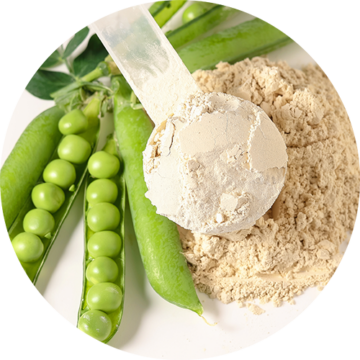
GRAS_Pea_Protein_Crop_V1D1

What Is GRAS for Plant Proteins?

Under the U.S. GRAS framework, a plant protein (or its derivatives, isolates, concentrates, or hydrolysates) can be marketed if qualified experts agree, based on scientific data, that it is safe under its intended uses. For novel or recently scaled plant proteins (e.g. novel extraction methods, fermentation, high-purity isolates), a formal GRAS strategy is essential.

We help clients develop the safety, exposure, formulation, and regulatory rationale needed to support either self-affirmed GRAS or FDA-notified GRAS for plant proteins. Whether your source is pea, rice, hemp, chickpea, fava, mung bean, or other legumes/grains, we tailor the approach to the protein’s unique challenges — from digestibility enhancers to anti-nutrient mitigation.

When Is GRAS Status Needed?

  • Introducing a new or novel plant protein (beyond historically used ones)
  • Using high-purity isolates, fractions, or hydrolysates not routinely consumed
  • Providing functional or performance doses above basic nutrition
  • Combining plant proteins or using them in novel matrix types (e.g. beverages, bars, extruded snacks)
  • Meeting diligence expectations from customers, investors, or retailers
  • Expanding globally using GRAS status to support acceptance

Consulting_Square_V2D1

Our GRAS Services for Plant Proteins

  • Pathway Strategy: Self-affirmed GRAS vs FDA-notified vs alternative routes
  • Protein Identity & Characterization: Molecular weight distribution, purity, residual solvents, extraction method, anti-nutrient profile
  • Toxicology & Margin of Safety Design: Animal, in vitro, and human safety modeling
  • Exposure & Use-Level Justification: Intake across categories, consumer groups, and cumulative exposure
  • Stability & Matrix Compatibility: Heat, pH, shelf-life, moisture, crosslinking, Maillard, interactions
  • Digestibility, Bioavailability & Protein Quality: In vitro or in vivo digestibility (PDCAAS, DIAAS), amino acid score, real-world absorption
  • Anti-nutrient & Contaminant Risk Assessment: Phytates, lectins, trypsin inhibitors, pesticide residues, heavy metals
  • Allergenicity / Cross-Reactivity Review: Especially for legumes or cross-reactive proteins
  • GRAS Dossier & Expert Panel Coordination
  • Post-Market Surveillance & Updates

Plant Proteins We Commonly Support

  • Pea Protein (isolate, concentrate, hydrolysate) – popular in beverages, bars, blends; digestibility and off-note mitigation.
  • Rice Protein (brown or white rice isolates / hydrolysates) – hypoallergenic, grain matrix challenge, cross-contamination risks.
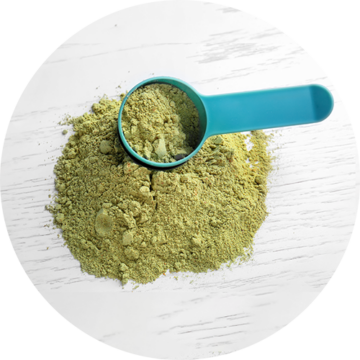
  • Hemp Protein – lipid residuals, polyphenols, fiber content, potential heavy metals, digestibility boosters.
  • Chickpea Protein – legume anti-nutrients, flavor masking, solubility in aqueous systems.
  • Fava / Broad Bean Protein – emerging alternative with allergen screening, fermentation variants.
  • Mung Bean, Oat, Quinoa, Lentil, Pea/Rice Blends – blend synergies, balancing amino acid profiles, cumulative intake.

GRAS_Hemp_Protein_Crop_V1D1
GRAS_Vegan_Treats_Crop_V1D1

Example Use Cases We Support

  • Plant-protein enriched beverages (RTD, powdered) – solubility, stability, anti-nutrient control
  • High-protein bars/snacks (extrusion, binding, shelf-life, heat damage)
  • Protein-fortified foods (e.g. cereals, pasta, snack crisps)
  • Plant-protein hydrolysate in functional or sports formulations
  • Novel matrices (e.g. plant-protein waters or “protein shots”)
  • Blended proteins (pea + rice, hemp + pea) for amino acid optimization

Why Choose dicentra?

  • Proven experience with plant proteins and emerging protein technologies
  • In-house protein chemistry, toxicology, regulatory, formulation expertise
  • Ability to balance scientific rigor and commercial speed
  • Deep knowledge of anti-nutrient mitigation, digestibility enhancement, flavor masking
  • Global perspective: U.S. GRAS plus international protein/nutrition expertise
  • Full support from early feasibility through post-market adaptation

handshake_crop
Regulatory_V1D1.jpg

Related Services

  • GRAS Notifications for other ingredient types
  • Novel Food / Ingredient Submissions
  • Protein & Peptide Ingredient Development
  • Safety & Toxicology Consulting